Probiotics for Gut Health and 3 Reasons Why It is Important
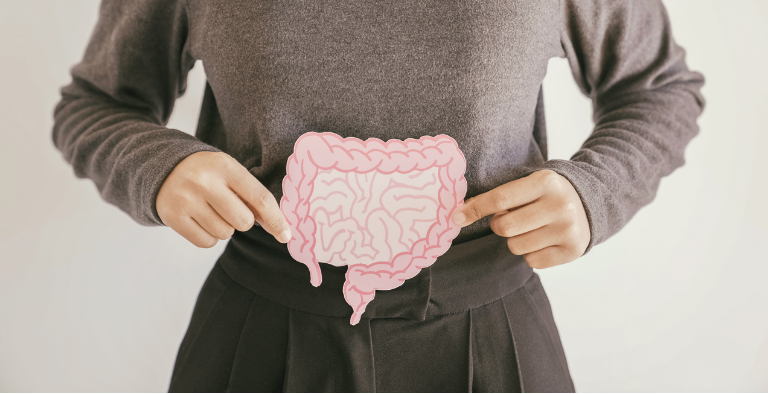
Probiotics for gut health and the immune system are deeply connected
Probiotics for gut health aren’t just a wellness trend, they’re part of a bigger story about how your digestive tract “talks” to your immune defenses every day. Researchers increasingly describe the gut as an immune command center because your intestinal lining constantly interacts with trillions of microbes (your gut microbiome) plus immune cells that decide what’s safe, what’s harmful, and how strongly to respond.,
Why does that matter now? Modern life, ultra-processed diets, chronic stress, frequent antibiotic exposure, poor sleep, and limited fiber intake, can shift the microbiome toward imbalance (often called dysbiosis). When that happens, the gut barrier and immune signaling can become less stable. This is one reason probiotics for gut health have moved from “nice to have” to “worth considering” for many people, especially when paired with a gut-friendly diet.
Quick take: You don’t “boost” immunity like a light switch, you regulate it. A healthy gut microbiome helps support that regulation
What are probiotics for gut health?
According to the International Scientific Association for Probiotics and Prebiotics (ISAPP), probiotics are live microorganisms that, when administered in adequate amounts, confer a health benefit on the host.
That definition matters because:
- Not every fermented food contains enough live strains to qualify as a probiotic.
- Not every supplement has clinically studied strains or doses.
Benefits are often strain-specific (meaning one strain can help with one outcome, while another does not).
So when we say probiotics for gut health, we’re really talking about specific strains shown to support digestive or immune-related outcomes in research settings.
Why the gut–immune connection is so powerful
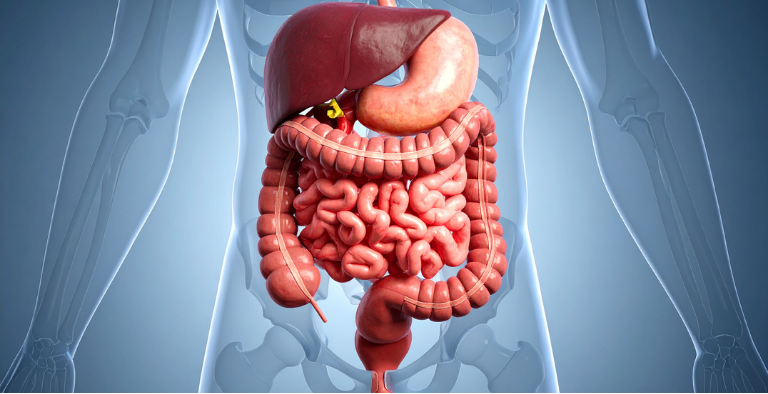
Your gut does more than digest food. It also:
Acts as a physical barrier (a lining that prevents unwanted particles from entering your bloodstream).
Trains immune tolerance (helping your body not overreact to harmless things like food proteins).
Coordinates immune responses (deciding when to fight and when to stay calm).
The microbiome influences these jobs through:
- Competition with harmful microbes (crowding them out)
- Communication with immune cells
- Production of helpful metabolites (like short-chain fatty acids) that affect inflammation and immune activity
When your microbiome is supported, your immune system may respond more appropriately, strong when needed, calm when it should be.
This is why probiotics for gut health often show up in conversations about resilience, recovery, and digestive comfort.
Probiotics for gut health: what the evidence supports best
Let’s be real: probiotics aren’t magic, and the science isn’t equally strong for every claim. But there are areas where evidence is more consistent.
1) Probiotics for gut health after antibiotics
Antibiotics can reduce beneficial bacteria along with harmful bacteria. In some people, this contributes to diarrhea or GI upset. Certain probiotic strains have shown benefit for antibiotic-associated diarrhea in research summaries, though results depend on strain, dose, and individual factors.
If your goal is probiotics for gut health during or after antibiotics, look for products that:
- Clearly list strain names (e.g., Lactobacillus rhamnosus GG)
- Provide CFU count through expiration
- Include storage directions that match the label
2) Probiotics for gut health and bowel regularity
Some strains may help support stool frequency and consistency, especially when paired with dietary fiber and hydration. Mayo Clinic notes probiotics are naturally found in fermented foods and may support digestive symptoms in certain cases.
3) Probiotics for gut health and immune signaling
The immune connection is one of the most exciting areas, but it can be misunderstood. Probiotics don’t make immunity “stronger” in a simple way; rather, they can influence immune pathways and mucosal immune responses. NCCIH highlights ongoing research into how probiotics interact with the microbiome and immune responses (including mucosal immunity).
That’s why probiotics for gut health can be relevant when you’re thinking about overall immune balance, especially if your gut is under strain.
Best probiotic strains for gut health: what to look for on labels
When choosing probiotics for gut health, strain labels matter more than marketing phrases like “10 billion probiotics” or “ultimate microbiome support.”
Look for genus + species + strain, such as:
- Lactobacillus rhamnosus GG
- Bifidobacterium lactis HN019
- Saccharomyces boulardii (a beneficial yeast)
Harvard’s Nutrition Source emphasizes that probiotic benefits vary, and a healthy diet still plays a major role in cultivating a robust microbiome.
Label checklist for probiotics for gut health
- Full strain names listed
- CFUs listed (and whether “at time of manufacture” or “through expiration”)
- Clear usage directions (timing, with/without meals)
- Third-party testing when possible
- A goal-based formula (e.g., “antibiotic support,” “regularity,” “bloating”) rather than “everything”
Probiotics for gut health vs. prebiotics: you want both
Probiotics for gut health are the “helpful microbes.”
Prebiotics are the “microbe food” (often fibers) that help beneficial bacteria thrive.
If you take probiotics but eat very little fiber, it’s like planting seeds in dry soil.
Add prebiotic-rich foods like:
- Garlic, onions, leeks
- Oats, barley
- Beans and lentils
- Green bananas
- Apples
Cooked-and-cooled potatoes or rice (a source of resistant starch)
Pairing probiotics for gut health with prebiotic fibers is one of the simplest ways to support long-term microbiome stability.
Fermented foods: a practical way to get probiotics for gut health
Many people prefer food-first strategies. Fermented foods can be an easy entry point for probiotics for gut health, and they come with other nutrients too.
Common options:
- Yogurt with live active cultures
- Kefir
- Kimchi
- Sauerkraut (refrigerated varieties often preserve live cultures better)
- Miso
- Tempeh
- Kombucha (watch added sugar)
Harvard Health notes that probiotics are living microorganisms found in yogurt and other cultured foods and may help improve the microbial environment.
If you’re new to fermented foods, start small (a few spoonfuls daily), then build up to avoid sudden GI discomfort.
Why probiotics for gut health matter more “than ever” today
Several modern factors make gut disruption more common:
Ultra-processed diets and low fiber intake
Low fiber reduces the diversity of microbes that produce beneficial metabolites. Microbiota-derived metabolites play a role in regulating immune activity and inflammation.
Buy Nutrabites products now and unlock FREE access to our exclusive online fitness community platform including time-efficient workouts and expert coaching.
Chronic stress and poor sleep
Stress hormones can alter gut motility, gut permeability, and microbial composition. Over time, this affects immune communication through the gut lining—making probiotics for gut health more relevant as one piece of a broader lifestyle strategy.
Antibiotic exposure
Antibiotics are sometimes necessary and life-saving, but they can also disrupt the microbiome. That’s why many people explore probiotics for gut health when they’re prescribed antibiotics.
“Germ-free” lifestyles
While hygiene prevents infections, over-sanitized routines plus reduced exposure to microbial diversity may affect microbiome resilience. This doesn’t mean avoiding cleanliness, it means being intentional about diet and microbiome-supportive habits.,
How to take probiotics for gut health (so you actually benefit)
If you want probiotics for gut health to be more than a random supplement, use a simple plan:
1. Pick a goal
Examples:
- Post-antibiotic digestive support
- Regularity
- Occasional bloating
- General microbiome support
2. Choose a product aligned to that goal
Avoid “kitchen sink” formulas unless they’re well-studied.
3. Take it consistently for 2–4 weeks
Many people quit too early. Track:
- Bloating
- Stool consistency
- Frequency
- Abdominal discomfort
- Energy (optional)
4. Combine with diet
For probiotics for gut health, diet is the multiplier:
- More fiber + plants
- Less ultra-processed foods
- Adequate protein
- Hydration
5. Know who should be cautious
Some people, especially those who are immunocompromised or have serious underlying conditions, should talk to a clinician before starting probiotics. Cleveland Clinic notes providers may recommend probiotics in some contexts, but guidance depends on the individual.
Probiotics for gut health: the bottom line
Probiotics for gut health matter because your gut microbiome and immune system work as a team. When the gut ecosystem is supported, through diet, fermented foods, targeted probiotic strains, and lifestyle habits, your immune system may be better positioned to respond appropriately.
If you’re building a sustainable routine, think of probiotics for gut health as a tool, not a cure:
- Most useful when you choose goal-specific strains
- Most effective when paired with prebiotics and whole foods
- Best supported by consistent habits (sleep, stress management, movement)
References
Cleveland Clinic. (n.d.). Probiotics: What they are, benefits & side effects. https://my.clevelandclinic.org/health/treatments/14598-probiotics
Harvard Health Publishing. (n.d.). The benefits of probiotic bacteria. https://www.health.harvard.edu/nutrition/the-benefits-of-probiotics
Harvard Health Publishing. (2021). Should you take probiotics? https://www.health.harvard.edu/staying-healthy/should-you-take-probiotics
Harvard T.H. Chan School of Public Health. (n.d.). Probiotics for gut health. https://nutritionsource.hsph.harvard.edu/probiotics/
Mayo Clinic. (2025). Probiotics and prebiotics: What you should know. https://www.mayoclinic.org/healthy-lifestyle/nutrition-and-healthy-eating/expert-answers/probiotics/faq-20058065
National Center for Complementary and Integrative Health. (n.d.). Probiotics: What you need to know. https://content.govdelivery.com/accounts/USNIHNCCIH/bulletins/2ea0e70
National Center for Complementary and Integrative Health. (2026). Probiotics, the microbiome, and host immune response (video lecture). https://www.nccih.nih.gov/training/videolectures/probiotics
National Institutes of Health, Office of Dietary Supplements. (2026). Probiotics—Health Professional Fact Sheet. https://ods.od.nih.gov/factsheets/Probiotics-HealthProfessional/
Zheng, D., Liwinski, T., & Elinav, E. (2021). Gut microbiota-derived metabolites in the regulation of host immune responses. Cellular & Molecular Immunology. https://www.nature.com/articles/s41423-021-00661-4.pdf