
Probiotic Gummies: 7 Best Reasons Why Switch from Pills
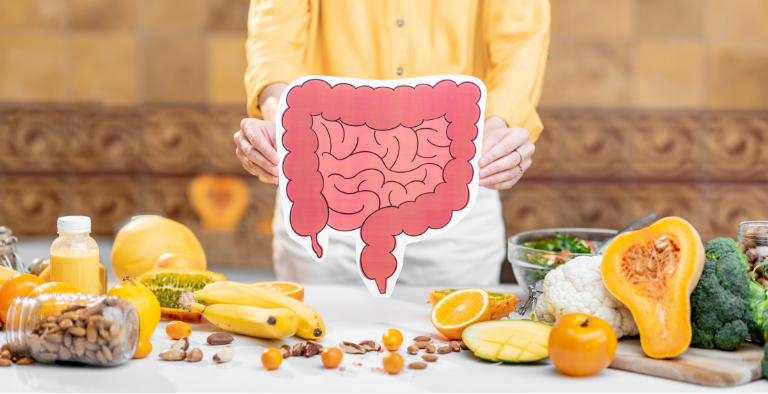
Gut health is the 2025 wellness headline
If there’s one wellness topic that’s moved from “nice to have” to “non-negotiable” in 2025, it’s gut health. Consumers are connecting digestion to everything: energy, mood, immunity, skin, weight management, and even stress resilience. Brands, practitioners, and everyday people are following the same logic: when digestion works well, the rest of the body tends to work better too.
Industry conversations mirror this shift. Event-driven insights and trend reports point to growing interest in microbiome individuality, next-generation biotics, and more science-backed product claims—especially in digestive health.
In short: gut health isn’t a niche anymore—it’s a pillar of modern wellness.
Gut health trend #1: Science-backed probiotics (and smarter expectations)
Probiotics remain a top entry point into gut health, but the conversation is maturing. Instead of “probiotics for everyone,” the trend is “the right strain, for the right goal, in the right dose.”
Trusted medical and academic sources continue to emphasize that benefits depend on the probiotic strain and the person—plus what you’re trying to address.
At the same time, supplement habits are changing: more people are buying supplements for overall wellness and preventive health rather than only “fixing a problem,” which fuels demand for convenient formats (like gummies).
What’s changing in 2025
- More education on strain specificity (not all probiotics do the same thing).
- Better delivery formats (capsules, gummies, drinks, foods) and improved stability.
- Consumer demand for “proof” rather than hype, aligning with broader wellness skepticism toward fads.
Takeaway: In 2025, gut health shoppers are asking: “What does the science say—and is this right for me?”
Gut health trend #2: Next-gen biotics (prebiotics, postbiotics, synbiotics)
A big reason gut health is booming is that solutions are expanding beyond classic probiotics.
At industry gatherings like Probiota 2025, trend watchers highlight the rise of “next-gen biotics” and the increasing focus on microbiome individuality and smarter delivery systems.
Key terms you’ll see everywhere in 2025
- Prebiotics: fibers that feed beneficial gut microbes.
- Synbiotics: probiotics + prebiotics combined.
- Postbiotics: metabolic byproducts of microbes (a newer area gaining traction).
- Precision probiotics: more personalized approaches based on needs and emerging microbiome insights.
Takeaway: The gut health space is evolving from “one supplement” to an ecosystem of tools.
Gut health trend #3: Fermented foods are having a mainstream moment
Fermented foods—think yogurt, kefir, kimchi, sauerkraut—are surging again, but this time with broader consumer adoption and product innovation. Major outlets have highlighted how fermented foods are moving from niche to mainstream as people seek food-based ways to support gut health and microbiome diversity.
Why fermentation fits 2025 wellness
- It feels food-first (less “pill culture”).
- It aligns with less-processed eating.
- It supports the “daily routine” mindset: small habits done consistently.
Takeaway: For many people, the easiest gut health upgrade is adding a fermented food a few times per week.
Gut health trend #4: Fiber-first eating (because regularity is trending)
Fiber isn’t flashy—but it’s foundational. In 2025, fiber-first routines are one of the most practical drivers of better gut health, especially for people dealing with irregularity, bloating patterns, or “sluggish digestion.”
What’s new is how people approach it:
- Gradual increases (instead of jumping from low to high).
- Combining fiber with hydration.
- Using whole foods first (vegetables, legumes, oats, seeds), then supplements if needed.
Quick fiber-friendly picks
- Oats, chia, flax
- Beans and lentils
- Berries, apples, pears
- Leafy greens + crucifers (as tolerated)
Takeaway: A fiber-first plate is still one of the best long-term strategies for gut health.
Gut health trend #5: “Digestive comfort” becomes a daily performance metric
In 2025, people track digestion the way they track sleep: as a daily signal of wellbeing. “Bloat management,” “regularity,” and “digestive comfort” are becoming routine goals—especially among consumers building repeatable wellness rituals.
This fits broader market observations that consumers are increasingly selective and evidence-oriented in wellness spending.
Common digestive comfort priorities
- Less gas/bloating triggers
- More consistent bowel movements
- Better tolerance to specific foods
- Reduced “heavy” feeling after meals
Takeaway: Gut health isn’t just medical—it’s now framed as everyday quality-of-life.
Gut health trend #6: Personalization (the end of “one-size-fits-all” digestion)
Personalization is showing up everywhere in wellness, and gut health is one of the most obvious categories for it. People respond differently to dairy, spicy foods, sugar alcohols, high-FODMAP foods, and even some fibers.
Trend reports and industry commentary repeatedly point toward individualized approaches—both in products and in everyday habits.
Personalization in practice
- Food journaling (simple notes on triggers)
- Choosing formats that fit lifestyle (capsules vs drinks vs foods)
- Building routines around consistency (not perfection)
Takeaway: The future of gut health is “personal and practical,” not just “popular.”
How to improve gut health in 2025 (without overcomplicating it)
Here’s a simple, sustainable framework you can actually stick to:
1) Start with the “3R” basics: Regular meals, Real food, Rhythm
- Eat at consistent times most days.
- Prioritize minimally processed foods when possible.
- Respect digestive rhythm: sleep + stress heavily affect gut health.
2) Add one gut health habit per week
Try any one of these:
- Add 1 fermented food serving 3x/week
- Add 1 extra fiber-rich food daily
- Drink a full glass of water before coffee
- Take a 10-minute walk after dinner

3) If you use probiotics, be strategic
Use probiotics as a targeted tool, not a magical fix. Educational medical resources emphasize that outcomes vary and depend on strains, dosing, and the goal.
Buy Nutrabites products now and unlock FREE access to our exclusive online fitness community platform including time-efficient workouts and expert coaching.
4) Manage stress like it’s part of digestion (because it is)
Stress can change appetite, gut motility, and comfort. If 2025 is about science-backed wellness, then treating stress support as part of gut health is simply logical.
What brands should do as gut health leads wellness trends
If you’re building content, products, or a wellness brand in 2025, digestion is a powerful “center-of-the-wheel” topic.
High-performing gut health content typically:
- Explains the difference between prebiotics/probiotics/synbiotics simply
- Focuses on outcomes people actually feel (comfort, regularity, bloat patterns)
- Uses science-backed language and avoids miracle claims
- Connects digestion to other wellness pillars (sleep, stress, immunity)
And importantly, consumers increasingly want credibility and clarity—especially in wellness categories where fads have been common.
Final thoughts: Gut health isn’t a trend—it’s the foundation trend
The reason gut health takes center stage in 2025 is simple: it sits at the intersection of food, lifestyle, and science. As people demand more evidence, better personalization, and more practical routines, digestive health becomes the most natural place to start.
If you’re looking for a single focus area to upgrade your wellness routine this year, focus on gut health—and build it the sustainable way: one habit at a time.
References
- dsm-firmenich. (2025, March 11). What’s next for gut health? 5 breakthrough trends from Probiota 2025. dsm-firmenich Health, Nutrition & Care.
https://www.dsm-firmenich.com/en/businesses/health-nutrition-care/news/talking-nutrition/the-future-of-gut-health-5-breakthrough-trends-from-probiota-2025.html - Harvard T.H. Chan School of Public Health. (n.d.). Probiotics for gut health. The Nutrition Source.
https://nutritionsource.hsph.harvard.edu/probiotics/ - McKinsey & Company. (2024, January). The trends defining the $1.8 trillion global wellness market in 2024 (Future of Wellness report) [PDF].
https://www.mckinsey.de/~/media/mckinsey/locations/europe%20and%20middle%20east/deutschland/news/presse/2024/2024-02-01%20wellnessreport/the-trends-defining-the-1-point-8-trillion-dollar-global-wellness-market-in-2024-vf.pdf - McKinsey & Company. (2024, May 16). What’s new in consumer wellness trends? McKinsey (Podcast).
https://www.mckinsey.com/industries/consumer-packaged-goods/our-insights/whats-new-in-consumer-wellness-trends - Mintel. (2024, October 16). Mintel announces global food and drink trends for 2025. Mintel Press Centre.
https://www.mintel.com/press-centre/mintel-announces-global-food-and-drink-trends-for-2025/ - The Wall Street Journal. (2025). Sauerkraut, kimchi and…gut nuts? Fermented foods are having a moment. WSJ.
https://www.wsj.com/health/wellness/fermented-food-sales-gut-health-625572c9 - ScienceDirect. (2025). A review on probiotics and dietary bioactives: Insights on metabolic well-being and gut microbiota. ScienceDirect.
https://www.sciencedirect.com/science/article/pii/S2772753X25000358