
Workout for Busy Professionals: 3 Efficient Strategies to Stay Fit With a Packed Schedule
Workout for Busy Professionals.
3 Efficient Strategies to Stay Fit With a Packed Schedule

Workout for busy professionals plans are designed for people with demanding schedules who still want to stay healthy and energized. Workout for busy professionals emphasizes efficiency, flexibility, and stress reduction.
Why a Workout for Busy Professionals Is Essential
Sedentary work increases the risk of cardiovascular disease and burnout (Mayo Clinic, 2021). A workout for busy professionals helps counteract these risks.
Core Principles of a Workout for Busy Professionals
1. Short, Effective Sessions
Short, effective sessions are the foundation of a successful workout for busy professionals. With demanding schedules, long workouts are often unrealistic and can quickly lead to inconsistency or burnout. The good news is that research shows even 20-minute exercise sessions can significantly improve cardiovascular health, muscle strength, and energy levels when performed consistently.
A well-structured workout for busy professionals focuses on efficiency rather than duration. Short sessions reduce the mental barrier of getting started, making it easier to fit exercise into lunch breaks, mornings, or evenings. When workouts are brief, they feel manageable instead of overwhelming, which increases adherence over time.
These short sessions often include full-body movements, minimal rest, and controlled intensity to maximize results. Even brisk walking, circuit-style strength training, or bodyweight workouts performed for 20 minutes can improve heart health, boost metabolism, and support fat loss. The key is consistency—showing up regularly matters far more than how long each session lasts.
2. Full-Body Movements
Full-body movements are essential in a workout for busy professionals because they train multiple muscle groups at once, saving time while delivering maximum benefits. Compound exercises such as squats, push-ups, lunges, rows, and planks engage several muscles simultaneously, increasing calorie burn and improving functional strength.
By focusing on full-body movements, busy professionals can achieve strength, endurance, and mobility benefits in fewer exercises. This approach eliminates the need for long, isolated workouts that target only one muscle group at a time. Instead, a single session can strengthen the legs, core, upper body, and cardiovascular system together.
Full-body exercises also improve coordination and posture, which is particularly important for professionals who spend long hours sitting at desks. Incorporating compound movements into a workout for busy professionals helps counteract the physical strain caused by prolonged sitting, such as tight hips, weak glutes, and poor posture. This leads to better movement quality both inside and outside of workouts.
3. Stress Management
Stress management is a critical but often overlooked component of an effective workout for busy professionals. High workloads, deadlines, and long hours already place significant stress on the body and mind. Exercise should serve as a tool to relieve stress, not add to it.
A well-designed workout for busy professionals balances intensity with recovery. Instead of pushing to exhaustion, workouts should leave individuals feeling energized and mentally refreshed. Activities such as strength training, low-impact cardio, stretching, and mobility work help reduce cortisol levels while improving mood and focus.
Incorporating mindful movement, controlled breathing, and short cooldowns enhances the stress-reducing benefits of exercise. Even a 20-minute workout can improve mental clarity and emotional resilience when approached with intention. This positive experience increases the likelihood of consistency and long-term adherence.
Ultimately, a workout for busy professionals should support overall well-being. By prioritizing short sessions, full-body movements, and stress management, busy professionals can stay active, healthy, and productive without sacrificing time or mental energy.
Sample Workout for Busy Professionals (20 Minutes)
Squats
Squats are one of the most effective full-body exercises and are a foundational movement in many workout routines. This exercise primarily targets the quadriceps, hamstrings, and glutes while also engaging the core muscles for stability. Squats mimic everyday movements such as sitting and standing, making them highly functional and practical for improving daily mobility.
To perform a squat, stand with your feet shoulder-width apart and toes slightly turned outward. Lower your body by pushing your hips back and bending your knees, keeping your chest upright and core engaged. Lower until your thighs are parallel to the floor or as far as your mobility allows, then push through your heels to return to standing. Squats help improve lower-body strength, joint mobility, and balance, making them ideal for beginners and advanced exercisers alike.
Push-ups
Push-ups are a powerful upper-body exercise that strengthens the chest, shoulders, arms, and core. They also help improve overall body coordination and stability. Push-ups can be easily modified to match different fitness levels, making them accessible for beginners.
To perform a push-up, place your hands slightly wider than shoulder-width apart on the floor or against a wall or elevated surface. Keep your body in a straight line from head to heels, engaging your core throughout the movement. Lower your chest toward the ground by bending your elbows, then press back up to the starting position. Push-ups build functional strength, enhance posture, and improve upper-body endurance over time.
Plank hold
The plank hold is a core-strengthening exercise that targets the abdominal muscles, lower back, shoulders, and glutes. Unlike traditional crunches, planks focus on stability and endurance rather than repetitive movement, making them safer for the spine.
To perform a plank hold, place your forearms on the floor with elbows directly under your shoulders. Extend your legs behind you and lift your body so it forms a straight line from head to heels. Engage your core, squeeze your glutes, and avoid letting your hips sag or rise too high. Holding a plank strengthens the core, improves posture, and supports injury prevention by stabilizing the spine.
Jumping jacks or marches
Jumping jacks and marching in place are effective cardiovascular exercises that raise the heart rate and improve coordination. Jumping jacks are more dynamic and involve both the upper and lower body, while marching in place offers a low-impact alternative for beginners or those with joint limitations.
For jumping jacks, start standing with feet together and arms at your sides. Jump your feet outward while raising your arms overhead, then return to the starting position. For marching in place, lift one knee at a time while swinging your arms naturally. Both exercises improve cardiovascular endurance, burn calories, and enhance overall fitness, making them excellent additions to any workout routine.
Nutrition for a Workout for Busy Professionals
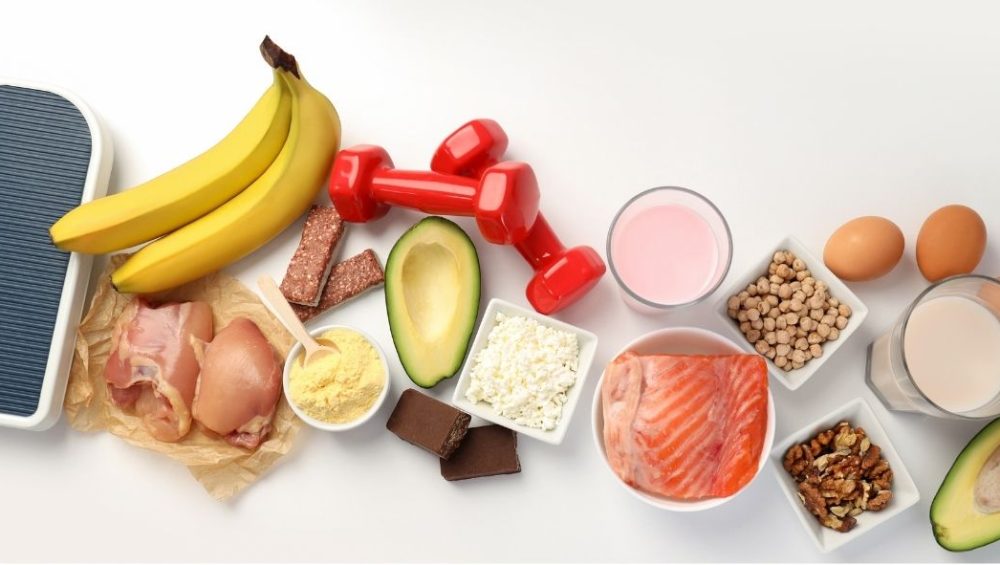
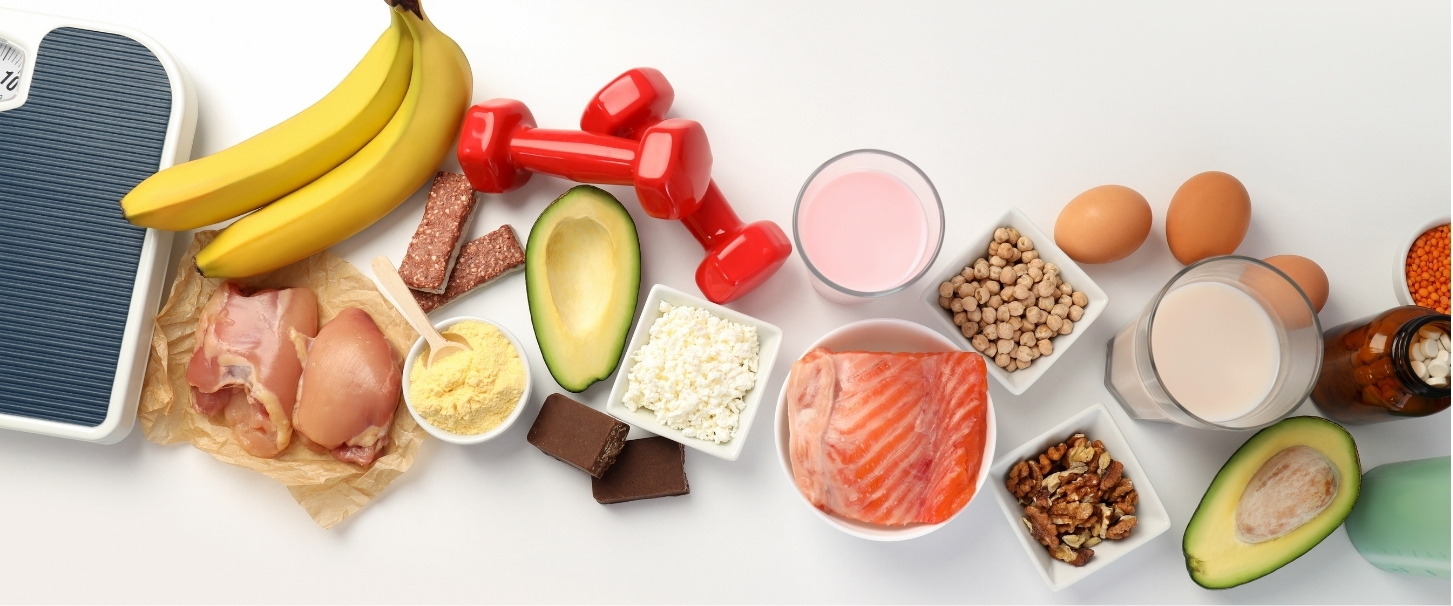
Fueling properly is crucial. Skipping meals leads to fatigue and poor performance.

Smart Snack Strategy
High-protein snacks support sustained energy throughout the workday.
How Nutrabites Supports a Workout for Busy Professionals
Nutrabites is designed for people who don’t have time to prep complex meals.
Why Nutrabites Works
- Portable and convenient
- Supports muscle recovery
- Helps maintain energy levels
Buy Nutrabites products now and unlock FREE access to our exclusive online fitness community platform including time-efficient workouts and expert coaching.
Community and Accountability for Busy Professionals
Group support improves exercise adherence even among high-stress professionals (Journal of Occupational Health, 2020).
Conclusion
A workout for busy professionals doesn’t require hours in the gym—just smart planning, proper nutrition, and community support. Nutrabites makes staying healthy achievable, even with the busiest schedule.
References
- Journal of Occupational Health. (2020). Workplace stress and physical activity.
- Mayo Clinic. (2021). Exercise for stress and anxiety.
- National Institutes of Health. (2022). Physical activity guidelines for adults.