Free standard shipping for orders over $29.95

Create your own Bundle Pack! Add any 4 Bottles for $29.95

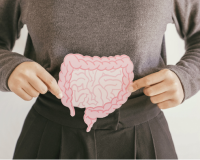
gut health

Gut Health: Digestive Health Takes Center Stage in 2025 Wellness Trends

Probiotic Gummies: 7 Best Reasons Why Switch from Pills
gut health

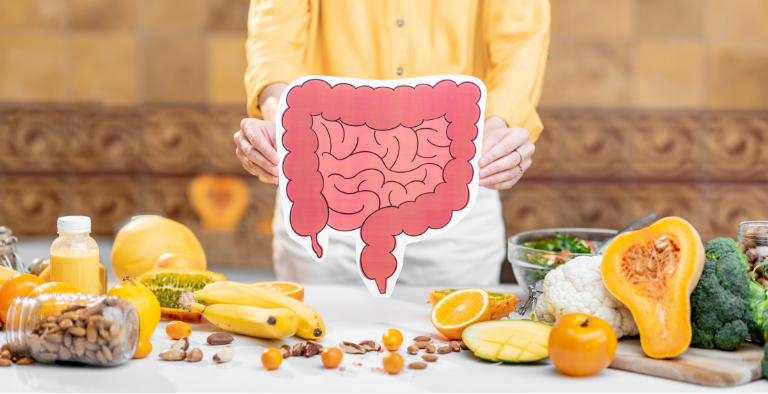
Gut health is the 2025 wellness headline

If there’s one wellness topic that’s moved from “nice to have” to “non-negotiable” in 2025, it’s gut health. Consumers are connecting digestion to everything: energy, mood, immunity, skin, weight management, and even stress resilience. Brands, practitioners, and everyday people are following the same logic: when digestion works well, the rest of the body tends to work better too.

Industry conversations mirror this shift. Event-driven insights and trend reports point to growing interest in microbiome individuality, next-generation biotics, and more science-backed product claims—especially in digestive health.

In short: gut health isn’t a niche anymore—it’s a pillar of modern wellness.

Gut health trend #1: Science-backed probiotics (and smarter expectations)

Probiotics remain a top entry point into gut health, but the conversation is maturing. Instead of “probiotics for everyone,” the trend is “the right strain, for the right goal, in the right dose.”

Trusted medical and academic sources continue to emphasize that benefits depend on the probiotic strain and the person—plus what you’re trying to address.

At the same time, supplement habits are changing: more people are buying supplements for overall wellness and preventive health rather than only “fixing a problem,” which fuels demand for convenient formats (like gummies).

What’s changing in 2025

  • More education on strain specificity (not all probiotics do the same thing).
  • Better delivery formats (capsules, gummies, drinks, foods) and improved stability.
  • Consumer demand for “proof” rather than hype, aligning with broader wellness skepticism toward fads.

Takeaway: In 2025, gut health shoppers are asking: “What does the science say—and is this right for me?”

Gut health trend #2: Next-gen biotics (prebiotics, postbiotics, synbiotics)

A big reason gut health is booming is that solutions are expanding beyond classic probiotics.

At industry gatherings like Probiota 2025, trend watchers highlight the rise of “next-gen biotics” and the increasing focus on microbiome individuality and smarter delivery systems.

Key terms you’ll see everywhere in 2025

  • Prebiotics: fibers that feed beneficial gut microbes.
  • Synbiotics: probiotics + prebiotics combined.
  • Postbiotics: metabolic byproducts of microbes (a newer area gaining traction).
  • Precision probiotics: more personalized approaches based on needs and emerging microbiome insights.

Takeaway: The gut health space is evolving from “one supplement” to an ecosystem of tools.

Gut health trend #3: Fermented foods are having a mainstream moment

Fermented foods—think yogurt, kefir, kimchi, sauerkraut—are surging again, but this time with broader consumer adoption and product innovation. Major outlets have highlighted how fermented foods are moving from niche to mainstream as people seek food-based ways to support gut health and microbiome diversity.

Why fermentation fits 2025 wellness

  • It feels food-first (less “pill culture”).
  • It aligns with less-processed eating.
  • It supports the “daily routine” mindset: small habits done consistently.

Takeaway: For many people, the easiest gut health upgrade is adding a fermented food a few times per week.

Gut health trend #4: Fiber-first eating (because regularity is trending)

Fiber isn’t flashy—but it’s foundational. In 2025, fiber-first routines are one of the most practical drivers of better gut health, especially for people dealing with irregularity, bloating patterns, or “sluggish digestion.”

What’s new is how people approach it:

  • Gradual increases (instead of jumping from low to high).
  • Combining fiber with hydration.
  • Using whole foods first (vegetables, legumes, oats, seeds), then supplements if needed.

Quick fiber-friendly picks

  • Oats, chia, flax
  • Beans and lentils
  • Berries, apples, pears
  • Leafy greens + crucifers (as tolerated)

Takeaway: A fiber-first plate is still one of the best long-term strategies for gut health.

Gut health trend #5: “Digestive comfort” becomes a daily performance metric

In 2025, people track digestion the way they track sleep: as a daily signal of wellbeing. “Bloat management,” “regularity,” and “digestive comfort” are becoming routine goals—especially among consumers building repeatable wellness rituals.

This fits broader market observations that consumers are increasingly selective and evidence-oriented in wellness spending.

Common digestive comfort priorities

  • Less gas/bloating triggers
  • More consistent bowel movements
  • Better tolerance to specific foods
  • Reduced “heavy” feeling after meals

Takeaway: Gut health isn’t just medical—it’s now framed as everyday quality-of-life.

Gut health trend #6: Personalization (the end of “one-size-fits-all” digestion)

Personalization is showing up everywhere in wellness, and gut health is one of the most obvious categories for it. People respond differently to dairy, spicy foods, sugar alcohols, high-FODMAP foods, and even some fibers.

Trend reports and industry commentary repeatedly point toward individualized approaches—both in products and in everyday habits.

Personalization in practice

  • Food journaling (simple notes on triggers)
  • Choosing formats that fit lifestyle (capsules vs drinks vs foods)
  • Building routines around consistency (not perfection)

Takeaway: The future of gut health is “personal and practical,” not just “popular.”

How to improve gut health in 2025 (without overcomplicating it)

Here’s a simple, sustainable framework you can actually stick to:

1) Start with the “3R” basics: Regular meals, Real food, Rhythm

  • Eat at consistent times most days.
  • Prioritize minimally processed foods when possible.
  • Respect digestive rhythm: sleep + stress heavily affect gut health.

2) Add one gut health habit per week

Try any one of these:

  • Add 1 fermented food serving 3x/week
  • Add 1 extra fiber-rich food daily
  • Drink a full glass of water before coffee
  • Take a 10-minute walk after dinner
gut health

3) If you use probiotics, be strategic

Use probiotics as a targeted tool, not a magical fix. Educational medical resources emphasize that outcomes vary and depend on strains, dosing, and the goal.

Buy Nutrabites products now and unlock FREE access to our exclusive online fitness community platform including time-efficient workouts and expert coaching.

4) Manage stress like it’s part of digestion (because it is)

Stress can change appetite, gut motility, and comfort. If 2025 is about science-backed wellness, then treating stress support as part of gut health is simply logical.

What brands should do as gut health leads wellness trends

If you’re building content, products, or a wellness brand in 2025, digestion is a powerful “center-of-the-wheel” topic.

High-performing gut health content typically:

  • Explains the difference between prebiotics/probiotics/synbiotics simply
  • Focuses on outcomes people actually feel (comfort, regularity, bloat patterns)
  • Uses science-backed language and avoids miracle claims
  • Connects digestion to other wellness pillars (sleep, stress, immunity)

And importantly, consumers increasingly want credibility and clarity—especially in wellness categories where fads have been common.

Final thoughts: Gut health isn’t a trend—it’s the foundation trend

The reason gut health takes center stage in 2025 is simple: it sits at the intersection of food, lifestyle, and science. As people demand more evidence, better personalization, and more practical routines, digestive health becomes the most natural place to start.

If you’re looking for a single focus area to upgrade your wellness routine this year, focus on gut health—and build it the sustainable way: one habit at a time.

References

  1. dsm-firmenich. (2025, March 11). What’s next for gut health? 5 breakthrough trends from Probiota 2025. dsm-firmenich Health, Nutrition & Care.
    https://www.dsm-firmenich.com/en/businesses/health-nutrition-care/news/talking-nutrition/the-future-of-gut-health-5-breakthrough-trends-from-probiota-2025.html
  2. Harvard T.H. Chan School of Public Health. (n.d.). Probiotics for gut health. The Nutrition Source.
    https://nutritionsource.hsph.harvard.edu/probiotics/
  3. McKinsey & Company. (2024, January). The trends defining the $1.8 trillion global wellness market in 2024 (Future of Wellness report) [PDF].
    https://www.mckinsey.de/~/media/mckinsey/locations/europe%20and%20middle%20east/deutschland/news/presse/2024/2024-02-01%20wellnessreport/the-trends-defining-the-1-point-8-trillion-dollar-global-wellness-market-in-2024-vf.pdf
  4. McKinsey & Company. (2024, May 16). What’s new in consumer wellness trends? McKinsey (Podcast).
    https://www.mckinsey.com/industries/consumer-packaged-goods/our-insights/whats-new-in-consumer-wellness-trends
  5. Mintel. (2024, October 16). Mintel announces global food and drink trends for 2025. Mintel Press Centre.
    https://www.mintel.com/press-centre/mintel-announces-global-food-and-drink-trends-for-2025/
  6. The Wall Street Journal. (2025). Sauerkraut, kimchi and…gut nuts? Fermented foods are having a moment. WSJ.
    https://www.wsj.com/health/wellness/fermented-food-sales-gut-health-625572c9
  7. ScienceDirect. (2025). A review on probiotics and dietary bioactives: Insights on metabolic well-being and gut microbiota. ScienceDirect.
    https://www.sciencedirect.com/science/article/pii/S2772753X25000358
Probiotic gummies

Probiotic Gummies: 7 Best Reasons Why Switch from Pills

Probiotic Gummies: 7 Best Reasons Why Switch from Pills

Probiotic gummies

Probiotic gummies are surging, here’s what’s driving the switch

If you’ve noticed probiotic gummies popping up everywhere, you’re not imagining it. The category is growing fast, and market research firms are tracking major expansion for gummy-format probiotics. One report estimates the global probiotic gummies market at roughly USD 869.9 million in 2024, with strong growth projected through 2030

At the same time, supplement habits are changing: more people are buying supplements for overall wellness and preventive health rather than only “fixing a problem,” which fuels demand for convenient formats (like gummies).

So why are adults moving away from traditional capsules? It largely comes down to compliance (taking them consistently), convenience, and experience (taste + swallowability).

Probiotic gummies vs. pills: the #1 reason is consistency

Most supplement routines fail for a simple reason: people forget, dislike the process, or stop when life gets busy. Gummies reduce friction.

Many adults experience “pill fatigue” or have trouble swallowing capsules—one reason gummy supplements gained popularity, according to reporting on supplement trends. When a supplement feels like a small treat instead of a chore, you’re more likely to take it regularly. That’s a big deal for probiotics, where benefits often depend on consistent use over time.

This is where probiotic gummies shine: they’re portable, easy to take without water, and often feel more approachable for people who have struggled with capsules for years.

Probiotic gummy feel easier, because they fit modern routines

1) No water, no swallowing

A common barrier with capsules is the “I’ll take it later” problem—then later never happens. Probiotic gummies remove the need for water and the discomfort some people feel with large pills.

2) Travel-friendly and desk-friendly

Keeping probiotic gummy in a bag, desk drawer, or kitchen counter jar makes “daily” more realistic. And compared with some refrigerated probiotic products, many gummy options are designed for shelf stability (though you should always follow the label).

3) Better “habit stacking”

Many adults already have a morning coffee routine, a post-lunch walk, or a bedtime wind-down. Adding probiotic gummies to an existing habit is often easier than remembering “take a capsule with a full glass of water.”

Probiotic gummies are boosted by “gut health” interest

Interest in gut health has exploded across wellness culture. While probiotics aren’t a magic cure, authoritative health agencies explain they’re live microorganisms intended to have health benefits, and they’re used for a range of digestive and other health topics.

Adults often look to probiotics for:

  • digestive comfort (gas/bloating support)
  • immune-related wellness
  • support during or after antibiotic use (when appropriate)

Importantly, the evidence varies by strain and condition, and outcomes aren’t guaranteed—so form (gummy vs capsule) is only part of the story.

Probiotic gummy makes supplementation feel less “medical”

Capsules can feel clinical, like something you take only when you’re unwell. Probiotic gummies feel more like a daily wellness product.

This emotional shift matters. Market research notes rising consumer preference for preventive, holistic wellness routines,exactly the mindset that favors gummies.

Probiotic gummies aren’t automatically “better”, quality matters

Here’s the catch: the format is not a guarantee of quality. Some gummy supplements have had issues with label accuracy in testing and journalism coverage, which is a reminder to choose carefully.

Key quality checkpoints for probiotic gummies

To choose probiotic gummies you can trust, look for:

1. Strain transparency

“Lactobacillus” alone isn’t enough, look for full names (e.g., Lactobacillus rhamnosus GG), because strains matter

2. CFU at end of shelf life (not “at manufacture”)

Some brands list CFU at time of manufacturing, which may drop over time. A more meaningful label indicates potency through expiration.

3. Storage guidance you can actually follow

If it says “refrigerate after opening” but you travel constantly, you may be better with a shelf-stable option.

4. Third-party testing

Look for independent verification signals where available (e.g., reputable third-party testing programs). This can help reduce the risk of mislabeled products. (Not all quality programs test probiotics the same way, still, it’s a helpful filter.)

5. Sugar and additives

Many gummies contain added sugars and sweeteners. Overdoing gummy supplements can cause issues, and moderation matters.

Probiotic gummies and “taste” can be a double-edged sword

Taste is a major reason adults stick with probiotic gummies—but it also creates risk:

  • People may accidentally take more than recommended because it tastes like candy.
  • Some gummy formats may include more sweeteners, which not everyone wants daily.

If you’re switching to probiotic gummies, treat them like supplements, not snacks, especially if you’re managing blood sugar, dental health, or calorie intake.

Probiotic gummies for adults: who benefits most from switching?

Adults often switch to probiotic gummies when they:

  • can’t swallow capsules comfortably
  • want a simpler daily routine
  • have inconsistent supplement habits
  • travel frequently or forget doses

In broader supplement surveys, younger adults are reported to prefer alternative formats like gummies more than older groups, reinforcing the convenience trend.

Probiotic gummies vs capsules: what about effectiveness?

The short version: effectiveness depends more on strain, dose, product quality, and your use case than on whether it’s a gummy or a capsule.

Authoritative sources stress that probiotic benefits are strain- and condition-specific, and safety considerations exist for certain populations.
So, probiotic gummies can be a great option—if the product is well-formulated and you take it consistently.

Safety notes (don’t skip)

Health agencies note probiotics are generally safe for many people, but risks are higher for some individuals (for example, those who are immunocompromised or critically ill). If that might apply to you, ask a clinician before using probiotic gummies (or any probiotic).

Probiotic gummies

How to pick probiotic gummies that are worth it

Use this quick checklist when shopping:

Choose probiotic gummies with:

  • Specific strains listed (not just “proprietary blend”)
  • Clear CFU labeling through expiration
  • Good manufacturing standards + third-party testing where possible
  • Low added sugar (or sugar-free, if you prefer)
  • A purpose (digestive support? immune support?) that aligns with strains included

Buy Nutrabites products now and unlock FREE access to our exclusive online fitness community platform including time-efficient workouts and expert coaching.

Be cautious with probiotic gummies that:

  • hide strains in a blend with no detail
  • make extreme health claims (“cures IBS,” “detoxes,” “treats anxiety”)
  • have no clear potency guidance or storage instructions

Why this trend is likely to continue

Several forces point to continued growth for probiotic gummies:

  1. Market momentum: strong projected growth in the category
  2. Lifestyle fit: wellness routines prioritize convenience and compliance
  3. Consumer preference for gummies: especially among younger adult supplement users
  4. Ongoing gut health interest: probiotics remain a major supplement segment

Even keyword-oriented market analysis sites have tracked meaningful search activity around adult probiotic gummy terms in recent periods, suggesting sustained consumer attention.

Bottom line

Probiotic gummies are winning adults over because they’re easy to take, easy to remember, and fit modern routines better than capsules. But the smartest switch is a careful one: prioritize strain transparency, potency through expiration, low sugar, and credible manufacturing.

If you want to make the move, choose probiotic gummies you’ll actually take daily—and that are formulated with the detail and quality that probiotics require.

References

  1. National Center for Complementary and Integrative Health. (n.d.). Probiotics: Usefulness and safety.
  2. National Institutes of Health, Office of Dietary Supplements. (n.d.). Probiotics—Health Professional Fact Sheet.
  3. Council for Responsible Nutrition. (2019). Who takes dietary supplements? And why?
  4. Grand View Research. (n.d.). Probiotic gummies market size and share report, 2030.
  5. TIME. (2019). Do gummy vitamins work? Here’s what experts say.
  6. EatingWell. (2023). What happens to your body if you eat too many vitamin gummies.
  7. Grand View Research. (n.d.). U.S. dietary supplements market—consumer behavior analysis.
  8. Accio (Business Trends). (2025). Probiotic gummies trends: Market growth & consumer insights.
Probiotics for Gut Health

Probiotics for Gut Health and 3 Reasons Why It is Important

Probiotics for Gut Health and 3 Reasons Why It is Important

Probiotics for Gut Health

Probiotics for gut health and the immune system are deeply connected

Probiotics for gut health aren’t just a wellness trend, they’re part of a bigger story about how your digestive tract “talks” to your immune defenses every day. Researchers increasingly describe the gut as an immune command center because your intestinal lining constantly interacts with trillions of microbes (your gut microbiome) plus immune cells that decide what’s safe, what’s harmful, and how strongly to respond., 

Why does that matter now? Modern life, ultra-processed diets, chronic stress, frequent antibiotic exposure, poor sleep, and limited fiber intake, can shift the microbiome toward imbalance (often called dysbiosis). When that happens, the gut barrier and immune signaling can become less stable. This is one reason probiotics for gut health have moved from “nice to have” to “worth considering” for many people, especially when paired with a gut-friendly diet.

Quick take: You don’t “boost” immunity like a light switch, you regulate it. A healthy gut microbiome helps support that regulation

What are probiotics for gut health?

According to the International Scientific Association for Probiotics and Prebiotics (ISAPP), probiotics are live microorganisms that, when administered in adequate amounts, confer a health benefit on the host.

That definition matters because:

  • Not every fermented food contains enough live strains to qualify as a probiotic.
  • Not every supplement has clinically studied strains or doses.
  • Benefits are often strain-specific (meaning one strain can help with one outcome, while another does not).

So when we say probiotics for gut health, we’re really talking about specific strains shown to support digestive or immune-related outcomes in research settings.

Why the gut–immune connection is so powerful

Your gut does more than digest food. It also:

  1. Acts as a physical barrier (a lining that prevents unwanted particles from entering your bloodstream).

  2. Trains immune tolerance (helping your body not overreact to harmless things like food proteins).

  3. Coordinates immune responses (deciding when to fight and when to stay calm).

The microbiome influences these jobs through:

  • Competition with harmful microbes (crowding them out)
  • Communication with immune cells
  • Production of helpful metabolites (like short-chain fatty acids) that affect inflammation and immune activity

When your microbiome is supported, your immune system may respond more appropriately, strong when needed, calm when it should be.

This is why probiotics for gut health often show up in conversations about resilience, recovery, and digestive comfort.

Probiotics for gut health: what the evidence supports best

Let’s be real: probiotics aren’t magic, and the science isn’t equally strong for every claim. But there are areas where evidence is more consistent.

1) Probiotics for gut health after antibiotics

Antibiotics can reduce beneficial bacteria along with harmful bacteria. In some people, this contributes to diarrhea or GI upset. Certain probiotic strains have shown benefit for antibiotic-associated diarrhea in research summaries, though results depend on strain, dose, and individual factors.

If your goal is probiotics for gut health during or after antibiotics, look for products that:

  • Clearly list strain names (e.g., Lactobacillus rhamnosus GG)
  • Provide CFU count through expiration
  • Include storage directions that match the label

2) Probiotics for gut health and bowel regularity

Some strains may help support stool frequency and consistency, especially when paired with dietary fiber and hydration. Mayo Clinic notes probiotics are naturally found in fermented foods and may support digestive symptoms in certain cases.

3) Probiotics for gut health and immune signaling

The immune connection is one of the most exciting areas, but it can be misunderstood. Probiotics don’t make immunity “stronger” in a simple way; rather, they can influence immune pathways and mucosal immune responses. NCCIH highlights ongoing research into how probiotics interact with the microbiome and immune responses (including mucosal immunity).

That’s why probiotics for gut health can be relevant when you’re thinking about overall immune balance, especially if your gut is under strain.

Best probiotic strains for gut health: what to look for on labels

When choosing probiotics for gut health, strain labels matter more than marketing phrases like “10 billion probiotics” or “ultimate microbiome support.”

Look for genus + species + strain, such as:

  • Lactobacillus rhamnosus GG
  • Bifidobacterium lactis HN019
  • Saccharomyces boulardii (a beneficial yeast)

Harvard’s Nutrition Source emphasizes that probiotic benefits vary, and a healthy diet still plays a major role in cultivating a robust microbiome.

Label checklist for probiotics for gut health

  • Full strain names listed
  • CFUs listed (and whether “at time of manufacture” or “through expiration”)
  • Clear usage directions (timing, with/without meals)
  • Third-party testing when possible
  • A goal-based formula (e.g., “antibiotic support,” “regularity,” “bloating”) rather than “everything”

Probiotics for gut health vs. prebiotics: you want both

Probiotics for gut health are the “helpful microbes.”
Prebiotics are the “microbe food” (often fibers) that help beneficial bacteria thrive.

If you take probiotics but eat very little fiber, it’s like planting seeds in dry soil.

Add prebiotic-rich foods like:

  • Garlic, onions, leeks
  • Oats, barley
  • Beans and lentils
  • Green bananas
  • Apples

Cooked-and-cooled potatoes or rice (a source of resistant starch)

Pairing probiotics for gut health with prebiotic fibers is one of the simplest ways to support long-term microbiome stability.

Probiotics for Gut Health

Fermented foods: a practical way to get probiotics for gut health

Many people prefer food-first strategies. Fermented foods can be an easy entry point for probiotics for gut health, and they come with other nutrients too.

Common options:

  • Yogurt with live active cultures
  • Kefir
  • Kimchi
  • Sauerkraut (refrigerated varieties often preserve live cultures better)
  • Miso
  • Tempeh
  • Kombucha (watch added sugar)

Harvard Health notes that probiotics are living microorganisms found in yogurt and other cultured foods and may help improve the microbial environment.

If you’re new to fermented foods, start small (a few spoonfuls daily), then build up to avoid sudden GI discomfort.

Why probiotics for gut health matter more “than ever” today

Several modern factors make gut disruption more common:

Ultra-processed diets and low fiber intake

Low fiber reduces the diversity of microbes that produce beneficial metabolites. Microbiota-derived metabolites play a role in regulating immune activity and inflammation.

Buy Nutrabites products now and unlock FREE access to our exclusive online fitness community platform including time-efficient workouts and expert coaching.

Chronic stress and poor sleep

Stress hormones can alter gut motility, gut permeability, and microbial composition. Over time, this affects immune communication through the gut lining—making probiotics for gut health more relevant as one piece of a broader lifestyle strategy.

Antibiotic exposure

Antibiotics are sometimes necessary and life-saving, but they can also disrupt the microbiome. That’s why many people explore probiotics for gut health when they’re prescribed antibiotics.

“Germ-free” lifestyles

While hygiene prevents infections, over-sanitized routines plus reduced exposure to microbial diversity may affect microbiome resilience. This doesn’t mean avoiding cleanliness, it means being intentional about diet and microbiome-supportive habits., 

How to take probiotics for gut health (so you actually benefit)

If you want probiotics for gut health to be more than a random supplement, use a simple plan:

1. Pick a goal

Examples:

  • Post-antibiotic digestive support
  • Regularity
  • Occasional bloating
  • General microbiome support

2. Choose a product aligned to that goal

Avoid “kitchen sink” formulas unless they’re well-studied.

3. Take it consistently for 2–4 weeks

Many people quit too early. Track:

  • Bloating
  • Stool consistency
  • Frequency
  • Abdominal discomfort
  • Energy (optional)

4. Combine with diet

For probiotics for gut health, diet is the multiplier:

  • More fiber + plants
  • Less ultra-processed foods
  • Adequate protein
  • Hydration

5. Know who should be cautious

Some people, especially those who are immunocompromised or have serious underlying conditions, should talk to a clinician before starting probiotics. Cleveland Clinic notes providers may recommend probiotics in some contexts, but guidance depends on the individual.

Probiotics for gut health: the bottom line

Probiotics for gut health matter because your gut microbiome and immune system work as a team. When the gut ecosystem is supported, through diet, fermented foods, targeted probiotic strains, and lifestyle habits, your immune system may be better positioned to respond appropriately.

If you’re building a sustainable routine, think of probiotics for gut health as a tool, not a cure:

  • Most useful when you choose goal-specific strains
  • Most effective when paired with prebiotics and whole foods
  • Best supported by consistent habits (sleep, stress management, movement)

References

  1. Cleveland Clinic. (n.d.). Probiotics: What they are, benefits & side effects. https://my.clevelandclinic.org/health/treatments/14598-probiotics

  2. Harvard Health Publishing. (n.d.). The benefits of probiotic bacteria. https://www.health.harvard.edu/nutrition/the-benefits-of-probiotics

  3. Harvard Health Publishing. (2021). Should you take probiotics? https://www.health.harvard.edu/staying-healthy/should-you-take-probiotics

  4. Harvard T.H. Chan School of Public Health. (n.d.). Probiotics for gut health. https://nutritionsource.hsph.harvard.edu/probiotics/

  5. Mayo Clinic. (2025). Probiotics and prebiotics: What you should know. https://www.mayoclinic.org/healthy-lifestyle/nutrition-and-healthy-eating/expert-answers/probiotics/faq-20058065

  6. National Center for Complementary and Integrative Health. (n.d.). Probiotics: What you need to know. https://content.govdelivery.com/accounts/USNIHNCCIH/bulletins/2ea0e70

  7. National Center for Complementary and Integrative Health. (2026). Probiotics, the microbiome, and host immune response (video lecture). https://www.nccih.nih.gov/training/videolectures/probiotics

  8. National Institutes of Health, Office of Dietary Supplements. (2026). Probiotics—Health Professional Fact Sheet. https://ods.od.nih.gov/factsheets/Probiotics-HealthProfessional/

  9. Zheng, D., Liwinski, T., & Elinav, E. (2021). Gut microbiota-derived metabolites in the regulation of host immune responses. Cellular & Molecular Immunology. https://www.nature.com/articles/s41423-021-00661-4.pdf

Workout for Busy Professionals

Workout for Busy Professionals: 3 Efficient Strategies to Stay Fit With a Packed Schedule

Workout for Busy Professionals.
3 Efficient Strategies to Stay Fit With a Packed Schedule

Workout for Busy Professionals

Workout for busy professionals plans are designed for people with demanding schedules who still want to stay healthy and energized. Workout for busy professionals emphasizes efficiency, flexibility, and stress reduction.

Why a Workout for Busy Professionals Is Essential

Sedentary work increases the risk of cardiovascular disease and burnout (Mayo Clinic, 2021). A workout for busy professionals helps counteract these risks.

Core Principles of a Workout for Busy Professionals

1. Short, Effective Sessions

Short, effective sessions are the foundation of a successful workout for busy professionals. With demanding schedules, long workouts are often unrealistic and can quickly lead to inconsistency or burnout. The good news is that research shows even 20-minute exercise sessions can significantly improve cardiovascular health, muscle strength, and energy levels when performed consistently.

A well-structured workout for busy professionals focuses on efficiency rather than duration. Short sessions reduce the mental barrier of getting started, making it easier to fit exercise into lunch breaks, mornings, or evenings. When workouts are brief, they feel manageable instead of overwhelming, which increases adherence over time.

These short sessions often include full-body movements, minimal rest, and controlled intensity to maximize results. Even brisk walking, circuit-style strength training, or bodyweight workouts performed for 20 minutes can improve heart health, boost metabolism, and support fat loss. The key is consistency—showing up regularly matters far more than how long each session lasts.

2. Full-Body Movements

Full-body movements are essential in a workout for busy professionals because they train multiple muscle groups at once, saving time while delivering maximum benefits. Compound exercises such as squats, push-ups, lunges, rows, and planks engage several muscles simultaneously, increasing calorie burn and improving functional strength.

By focusing on full-body movements, busy professionals can achieve strength, endurance, and mobility benefits in fewer exercises. This approach eliminates the need for long, isolated workouts that target only one muscle group at a time. Instead, a single session can strengthen the legs, core, upper body, and cardiovascular system together.

Full-body exercises also improve coordination and posture, which is particularly important for professionals who spend long hours sitting at desks. Incorporating compound movements into a workout for busy professionals helps counteract the physical strain caused by prolonged sitting, such as tight hips, weak glutes, and poor posture. This leads to better movement quality both inside and outside of workouts.

3. Stress Management

Stress management is a critical but often overlooked component of an effective workout for busy professionals. High workloads, deadlines, and long hours already place significant stress on the body and mind. Exercise should serve as a tool to relieve stress, not add to it.

A well-designed workout for busy professionals balances intensity with recovery. Instead of pushing to exhaustion, workouts should leave individuals feeling energized and mentally refreshed. Activities such as strength training, low-impact cardio, stretching, and mobility work help reduce cortisol levels while improving mood and focus.

Incorporating mindful movement, controlled breathing, and short cooldowns enhances the stress-reducing benefits of exercise. Even a 20-minute workout can improve mental clarity and emotional resilience when approached with intention. This positive experience increases the likelihood of consistency and long-term adherence.

Ultimately, a workout for busy professionals should support overall well-being. By prioritizing short sessions, full-body movements, and stress management, busy professionals can stay active, healthy, and productive without sacrificing time or mental energy.

Sample Workout for Busy Professionals (20 Minutes)

Squats

Squats are one of the most effective full-body exercises and are a foundational movement in many workout routines. This exercise primarily targets the quadriceps, hamstrings, and glutes while also engaging the core muscles for stability. Squats mimic everyday movements such as sitting and standing, making them highly functional and practical for improving daily mobility.

To perform a squat, stand with your feet shoulder-width apart and toes slightly turned outward. Lower your body by pushing your hips back and bending your knees, keeping your chest upright and core engaged. Lower until your thighs are parallel to the floor or as far as your mobility allows, then push through your heels to return to standing. Squats help improve lower-body strength, joint mobility, and balance, making them ideal for beginners and advanced exercisers alike.

Push-ups

Push-ups are a powerful upper-body exercise that strengthens the chest, shoulders, arms, and core. They also help improve overall body coordination and stability. Push-ups can be easily modified to match different fitness levels, making them accessible for beginners.

To perform a push-up, place your hands slightly wider than shoulder-width apart on the floor or against a wall or elevated surface. Keep your body in a straight line from head to heels, engaging your core throughout the movement. Lower your chest toward the ground by bending your elbows, then press back up to the starting position. Push-ups build functional strength, enhance posture, and improve upper-body endurance over time.

Plank hold

The plank hold is a core-strengthening exercise that targets the abdominal muscles, lower back, shoulders, and glutes. Unlike traditional crunches, planks focus on stability and endurance rather than repetitive movement, making them safer for the spine.

To perform a plank hold, place your forearms on the floor with elbows directly under your shoulders. Extend your legs behind you and lift your body so it forms a straight line from head to heels. Engage your core, squeeze your glutes, and avoid letting your hips sag or rise too high. Holding a plank strengthens the core, improves posture, and supports injury prevention by stabilizing the spine.

Jumping jacks or marches

Jumping jacks and marching in place are effective cardiovascular exercises that raise the heart rate and improve coordination. Jumping jacks are more dynamic and involve both the upper and lower body, while marching in place offers a low-impact alternative for beginners or those with joint limitations.

For jumping jacks, start standing with feet together and arms at your sides. Jump your feet outward while raising your arms overhead, then return to the starting position. For marching in place, lift one knee at a time while swinging your arms naturally. Both exercises improve cardiovascular endurance, burn calories, and enhance overall fitness, making them excellent additions to any workout routine.

Nutrition for a Workout for Busy Professionals

Fueling properly is crucial. Skipping meals leads to fatigue and poor performance.

Workout for Busy Professionals

Smart Snack Strategy

High-protein snacks support sustained energy throughout the workday.

How Nutrabites Supports a Workout for Busy Professionals

Nutrabites is designed for people who don’t have time to prep complex meals.

Why Nutrabites Works

  • Portable and convenient
  • Supports muscle recovery
  • Helps maintain energy levels

Buy Nutrabites products now and unlock FREE access to our exclusive online fitness community platform including time-efficient workouts and expert coaching.

Community and Accountability for Busy Professionals

Group support improves exercise adherence even among high-stress professionals (Journal of Occupational Health, 2020).

Conclusion

A workout for busy professionals doesn’t require hours in the gym—just smart planning, proper nutrition, and community support. Nutrabites makes staying healthy achievable, even with the busiest schedule.

References

  1. Journal of Occupational Health. (2020). Workplace stress and physical activity.
  2. Mayo Clinic. (2021). Exercise for stress and anxiety.
  3. National Institutes of Health. (2022). Physical activity guidelines for adults.
Sustainable Weight Loss Tips

Sustainable Weight Loss Tips: 3 Science-Backed Strategies That Actually Work

Sustainable Weight Loss Tips. 3 Science-Backed Strategies That Actually Work

Sustainable Weight Loss Tips

Sustainable weight loss tips focus on long-term habits rather than quick fixes. Sustainable weight loss tips help you lose fat, maintain muscle, and keep results for life—without extreme dieting or burnout.Beginner workout at home routines are the perfect starting point for anyone who wants to improve their health without stepping into a gym or buying expensive equipment. Beginner workout at home programs focus on simplicity, safety, and sustainability, making fitness accessible to everyone regardless of age, experience, or schedule.

What Sustainable Weight Loss Tips Really Mean

Unlike crash diets, sustainable weight loss tips emphasize behavior change, balanced nutrition, and realistic goals. Studies show that gradual weight loss leads to better maintenance (National Institutes of Health, 2022).

Sustainable Weight Loss Tips You Can Follow Daily

1. Eat Enough Protein

One of the most important sustainable weight loss tips is eating enough protein each day. Protein plays a critical role in increasing satiety, meaning it helps you feel full for longer periods. When people feel satisfied after meals, they are less likely to overeat or snack excessively, which supports long-term fat loss.

Protein also helps preserve lean muscle mass during weight loss. When calorie intake is reduced, the body may break down muscle for energy if protein intake is too low. Preserving muscle is essential because muscle tissue helps maintain a healthy metabolism. A higher metabolism allows your body to burn more calories at rest, making weight loss more efficient and sustainable.

Including protein at every meal is one of the simplest sustainable weight loss tips you can follow. Lean meats, eggs, dairy, legumes, tofu, and protein-rich snacks make it easier to meet daily protein needs without feeling deprived. Over time, adequate protein intake supports better energy levels, improved body composition, and long-term adherence to healthy eating habits.

2. Focus on Habit Formation

Another key principle among sustainable weight loss tips is focusing on habit formation rather than relying on motivation alone. Motivation is temporary and often fluctuates based on mood, stress, or life circumstances. Habits, on the other hand, are automatic behaviors that require less mental effort.

Building small, repeatable habits creates consistency, which is the foundation of sustainable weight loss. Simple habits such as eating balanced meals, going for daily walks, drinking enough water, or preparing healthy snacks in advance make healthy choices easier over time. These habits reduce decision fatigue and remove the pressure of “starting over” every time motivation drops.

Successful sustainable weight loss tips encourage gradual changes rather than drastic overhauls. When habits are built slowly and realistically, they are more likely to last. Over time, these habits compound, leading to meaningful and lasting results without stress or burnout.

3. Avoid Extreme Calorie Restriction

Avoiding extreme calorie restriction is one of the most overlooked yet crucial sustainable weight loss tips. Severely cutting calories may lead to rapid initial weight loss, but it often slows metabolism and increases hunger hormones. This makes it harder to maintain results and increases the likelihood of rebound weight gain.

Extreme calorie restriction can also lead to fatigue, nutrient deficiencies, mood changes, and loss of muscle mass. These side effects make weight loss unsustainable and negatively impact overall health. Instead, a moderate calorie deficit allows the body to adapt while maintaining energy levels and metabolic function.

Among the most effective sustainable weight loss tips is choosing a balanced approach that supports long-term health. Eating enough calories to fuel daily activity, workouts, and recovery helps create a positive relationship with food and promotes consistent progress. Sustainable weight loss is not about eating less forever, it’s about eating smarter for life.

Sustainable Weight Loss Tips for Busy Lifestyles

Meal Simplicity

Meal simplicity is one of the most effective sustainable weight loss tips because it reduces stress and decision fatigue around eating. Complicated meal plans often lead to inconsistency, skipped meals, or reliance on highly processed foods. Keeping meals simple makes healthy eating easier to maintain over the long term.

Simple meals typically include a balance of protein, fiber-rich carbohydrates, and healthy fats. Examples include grilled chicken with vegetables, eggs with whole-grain toast, or yogurt with fruit and nuts. By repeating a few go-to meals each week, you create structure without boredom. This approach supports consistent calorie intake and helps maintain a healthy relationship with food, which is essential for sustainable weight loss.

Batch Cooking

Batch cooking is a practical strategy that supports sustainable weight loss tips by saving time and increasing consistency. Preparing meals in advance ensures that healthy options are readily available, reducing the temptation to order takeout or choose convenience foods high in calories and low in nutrients.

Batch cooking doesn’t require spending hours in the kitchen. Cooking larger portions of proteins, grains, and vegetables once or twice a week can cover several meals. For example, roasting vegetables, cooking lean protein, and preparing whole grains in bulk makes it easy to assemble balanced meals throughout the week. This habit reduces stress, supports portion control, and improves long-term adherence to healthy eating.

Balanced Snacks

Balanced snacks play a key role in sustainable weight loss tips by preventing extreme hunger between meals. When hunger levels are managed, it becomes easier to make mindful food choices and avoid overeating.

A balanced snack includes protein, fiber, or healthy fats to promote fullness and steady energy levels. Examples include yogurt with fruit, nuts with a piece of fruit, or hummus with vegetables. Planning snacks in advance ensures that they support weight loss goals rather than sabotage them. Balanced snacking helps regulate blood sugar levels and supports consistent energy throughout the day.

Sustainable Weight Loss Tips

Protein-Rich Convenience Foods

Protein-rich convenience foods are especially helpful for people with busy schedules who want to follow sustainable weight loss tips without sacrificing nutrition. Options such as protein bars, shakes, boiled eggs, cottage cheese, or high-protein snack bites make it easier to meet daily protein needs.

These foods are convenient, portable, and require minimal preparation, which increases consistency. Choosing high-quality protein options with minimal added sugars or artificial ingredients supports muscle maintenance, satiety, and long-term success. Convenience does not have to mean unhealthy when protein-rich choices are selected intentionally.

Movement Over Perfection

Movement over perfection is a mindset that supports sustainable weight loss tips by reducing pressure and preventing burnout. Short daily walks, gentle stretching, or light activity are often more effective than intense workouts performed inconsistently.

Daily movement improves metabolism, supports mental health, and encourages consistency without overwhelming the body. Short walks after meals or during breaks promote fat loss and stress reduction. Prioritizing movement over perfection creates a balanced, enjoyable approach to weight loss that can be maintained for life.

How Nutrabites Fits Into Sustainable Weight Loss Tips

Healthy snacks make sustainable weight loss tips easier to follow. Nutrabites products help curb cravings while providing essential nutrients.

Nutrabites Benefits

  • Portion-controlled
  • High protein, low sugar
  • Supports fat loss goals

Purchase Nutrabites products today and and receive FREE access to our fitness community including meal plans, workouts, and expert guidance. 

Sustainable Weight Loss Tips and Community Support

Community accountability improves adherence and emotional well-being (APA, 2020). Our Nutrabites community helps members stay consistent and motivated.

Conclusion

True success comes from applying sustainable weight loss tips that align with your lifestyle. When paired with Nutrabites nutrition and community support, lasting transformation becomes achievable.

References

  1. American Psychological Association. (2020). Behavioral approaches to weight management.
  2. Centers for Disease Control and Prevention. (2021). Healthy weight, nutrition, and physical activity.
  3. National Institutes of Health. (2022). Long-term weight management strategies.
Select the fields to be shown. Others will be hidden. Drag and drop to rearrange the order.
  • Image
  • SKU
  • Rating
  • Price
  • Stock
  • Availability
  • Add to cart
  • Description
  • Content
  • Weight
  • Dimensions
  • Additional information
Click outside to hide the comparison bar
Compare
Shopping cart close